
Most founders want to start building on day one. It feels productive. Developers are coding, designs are taking shape, progress is visible.
But speed in the wrong direction isn't progress. Many startups in Kuwait launch after six months of development only to discover that customers wanted something slightly — or completely — different. Then comes the rebuild, the second budget, and the lost momentum.
A discovery phase prevents that. It's a short, structured period before development where you answer the questions that determine whether — and how — to build.
What Is a Discovery Phase?
A discovery phase is a focused sprint, typically 4–6 weeks, that turns an idea into a validated, buildable plan. It combines customer research, design thinking, business modeling, and technical planning.
It answers four questions:
- Is the problem real? Do enough people feel it strongly enough to pay for a solution?
- Is this the right solution? Does your concept actually solve it in a way people want?
- Can it make money? Is there a viable business model and a realistic path to customers?
- What exactly should we build first? What's the smallest product that proves the idea?
What a Discovery Phase Delivers
By the end, you should have:
- Customer insights from real interviews — not assumptions
- A clear problem statement and target customer profile
- A tested concept — prototypes that real users have reacted to
- A business model with pricing assumptions and key risks
- An MVP scope — a prioritized feature list for the first version
- A technical plan — recommended platform, architecture, timeline, and realistic budget
Most importantly: a clear go, pivot, or stop decision, backed by evidence.
Why Founders Skip It (and Regret It)
"I already know my customers." Maybe. But knowing customers and testing your specific solution with them are different things.
"It delays the launch." A few weeks of discovery can save months of rebuilding. The fastest path to launch is the one without detours.
"It's expensive." Discovery typically costs a fraction of development. A wrong build costs the entire development budget — plus the rebuild.
"Developers can figure it out." Developers build what they're told. If the brief is wrong, they'll build the wrong thing very well.
The Discovery Process, Week by Week
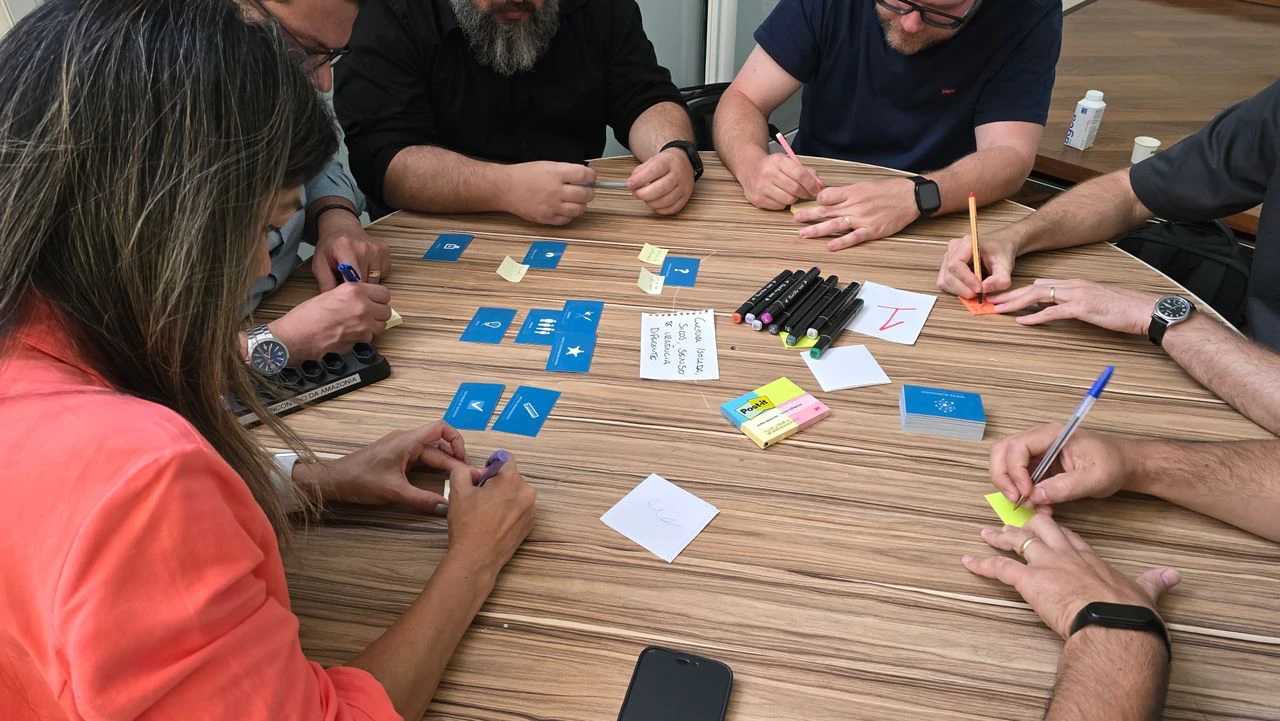
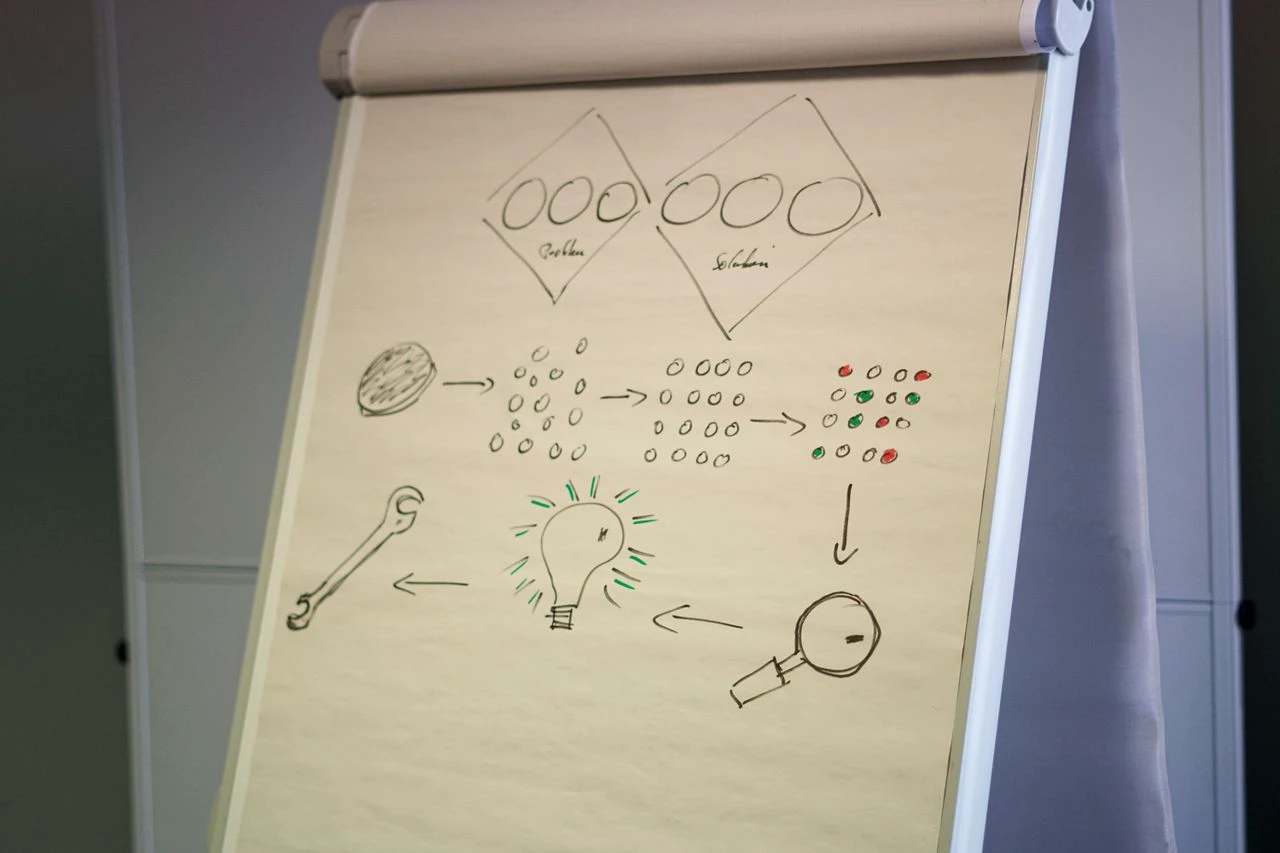
Weeks 1–2: Understand. Interview potential customers, map the market and competitors, identify the most painful problems and the people who feel them most.
Week 3: Define and ideate. Turn research into a sharp problem statement. Generate and prioritize solution concepts as a team.
Week 4: Prototype and test. Build clickable prototypes of the strongest concept and test them with real users. Learn what works, what confuses, and what's missing.
Weeks 5–6: Plan. Lock the MVP scope, business model, technical approach, timeline, and budget. Make the go/no-go decision.
Who Needs a Discovery Phase?
- First-time founders who want to reduce risk before committing savings or investor money
- Non-technical founders who need a clear plan before choosing a development team
- Founders preparing to raise — evidence from real customers makes a much stronger pitch
- Corporates launching new products who need to justify investment internally
Discovery Is Not a Delay — It's a Shortcut
Founders who go through discovery usually build less, launch faster, and spend less overall. They know what to cut, they know what matters, and they can brief any development team with confidence. When you're ready to build, our MVP guide covers the next step.
Start With Discovery
Sprint Innovation is Kuwait's innovation partner for corporates and founders. Our Discovery Journey takes founders from idea to a validated, buildable plan — with real customer evidence and a clear MVP scope.
Book a free 30-minute consultation and we'll tell you whether your idea is ready to build or needs discovery first.